Madagascar Vanilla Market Report 2023-2024:
The Madagascar vanilla market for the 2023-2024 season is confronting a complex and challenging landscape, marked by a delicate balance between supply and demand, a history of pricing fluctuations, and the enduring struggles faced by local farmers.
Total Vanilla Crop and Stock Situation:
The total vanilla crop projection for the ongoing 2023-2024 season is estimated to be substantial, with expectations set at around 2,500 tonnes. However, a key concern arises from the carryover stock from the previous season, amounting to approximately 1,500 tonnes. This significant surplus from the prior campaign poses a critical challenge for the current market dynamics.
Price Decline and Market Liberalisation:
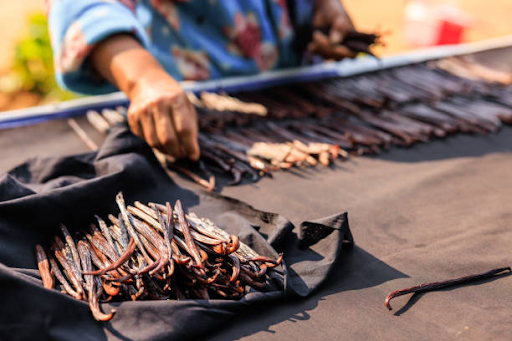
One of the primary contributors to the prevailing situation is the recent decision by the Malagasy government to abandon the minimum export price policy that had been implemented in 2020. Initially introduced to shield local producers and exporters from market fluctuations, the policy faced scrutiny, particularly from major American buyers. The pressure exerted by these influential buyers compelled a policy reversal, leading to the liberalisation of the vanilla market.
This market liberalisation, coupled with global factors such as decreased demand and the use of synthetic vanillin by agro-food companies, has driven prices down. The withdrawal of the export price policy and the resulting competition with other vanilla-producing nations have contributed to the current predicament.
Challenges Faced by Farmers:
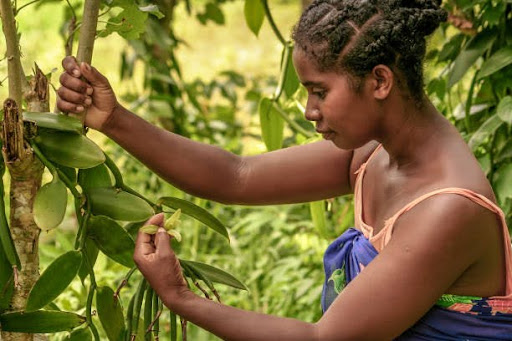
Local Vanilla farmers are grappling with various challenges that exacerbate the impact of falling prices. The abandonment of the export price policy, intended to stabilise prices and protect small-scale farmers, has had unintended consequences. The fixed price did not differentiate between grades of vanilla, treating both red and black vanilla alike, leading to dissatisfaction among producers.
Furthermore, delays and uncertainties in government policies have left farmers in a vulnerable position. The promised support from the government, especially in terms of the minimum purchase price for green vanilla, has not materialised as anticipated. As a result, many farmers find themselves in economic distress, with some compelled to sell assets to settle debts incurred during the cultivation process.
Reasons for the Current Crisis:
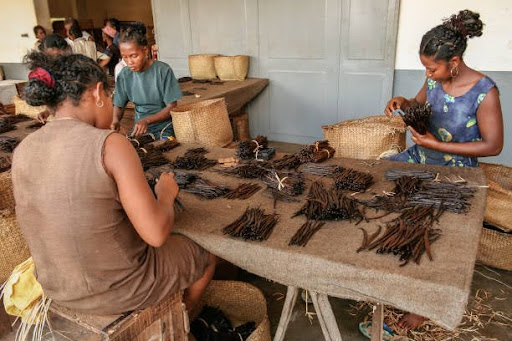
The current crisis in the Madagascar vanilla market can be attributed to a combination of factors. Abrupt policy changes, including the abandonment of the minimum export price and subsequent market liberalisation, have disrupted the delicate equilibrium that the vanilla industry requires. The lack of nuanced policies, such as a uniform pricing structure that considers the quality and type of vanilla, has led to dissatisfaction among both producers and buyers.
Moreover, global competition, particularly from countries like Uganda and Indonesia, combined with the increased use of synthetic vanillin, has intensified the challenges for Malagasy vanilla. Despite being the leading global producer, Madagascar faces difficulties in maintaining a competitive edge in the market.
Views on the Next Season and the Future of Vanilla:
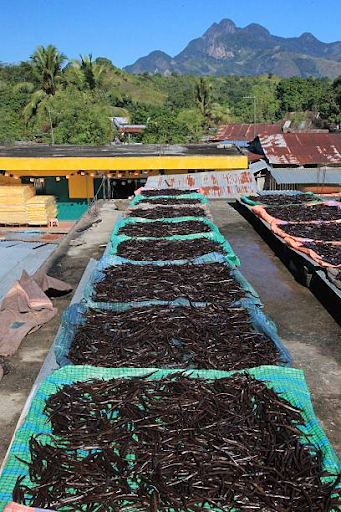
The outlook for the next vanilla season, while initially uncertain, is starting to brighten as a notable increase in vanilla exports is observed, especially via containers since the list of licensed exporters was released. The 2023-2024 campaign, initially labelled the “campaign of all dangers” due to projected surpluses from carryover stock and estimated production for the current season, is now witnessing a positive shift.
With an anticipated 4,000 tonnes of vanilla from Madagascar entering a global market estimated at 2,500 tonnes, the heightened export activity signals positive momentum. This surge in exports is instilling optimism and countering the risk of oversupply that was once a concern. One reason for this surge is that the next season is expected to produce a crop that is 50% smaller. As vanilla continues to leave Madagascar by air and sea, market dynamics are evolving, and there is growing hope that increased demand will alleviate downward pressure on prices.
Looking forward, industry experts and stakeholders are becoming cautiously optimistic about the future of the vanilla sector in Madagascar. Strategic interventions and sustainable policies remain crucial, and the observed rise in container exports is a promising sign of market resilience. Emphasising innovation, enhancing quality control, and exploring niche markets are proactive measures that could contribute to a more secure and optimistic future for the Malagasy vanilla industry.
In Conclusion:
The Madagascar Vanilla market for the 2023-2024 season is showing signs of positive momentum, with increased exports challenging the initial concerns of oversupply and declining prices. The anticipated smaller crop in the next season is also contributing to increased demand. Thoughtful and comprehensive strategies are still required, but the industry is adapting, and the outlook is becoming more hopeful amid changing global market dynamics.
By Anne Nayam,
Antananarivo, Madagascar