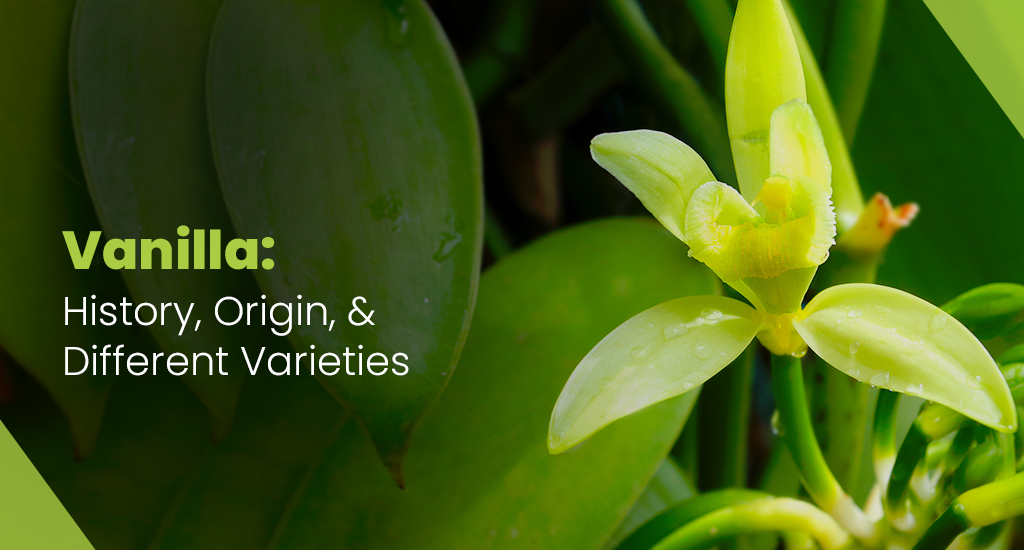
The history of vanilla is a fascinating tale of ancient mysteries, botanical wonders and centuries of global trade. Extracted from the pods of the vanilla orchid (Vanilla planifolia), this humble spice has evolved from a sacred ingredient in Mesoamerican folklore to a globally popular flavor. From its sacred beginnings among the Totonacs to its current status as a global flavor of choice, vanilla has been on a remarkable journey. Join us as we unravel the incredible story of vanilla.
Ancient Mesoamerican Origins:
The story of vanilla begins in Mesoamerica, the cradle of ancient civilizations, where vanilla was highly regarded by the Totonac people of modern-day Mexico. According to Totonac mythology, vanilla was associated with sacred traditions and legends, making it an important part of Totonac culture and folklore.
Spanish Conquest and the Introduction to Europe:
The introduction of vanilla to Europe began during the Spanish conquest in the 16th century. The Aztecs were familiar with vanilla and introduced the spice to the Spanish conquistadors. Its unique aroma and flavor inspired them to bring vanilla to Europe, where it became a luxury treat favored by the elite.
Challenges in Cultivation and Pollination:
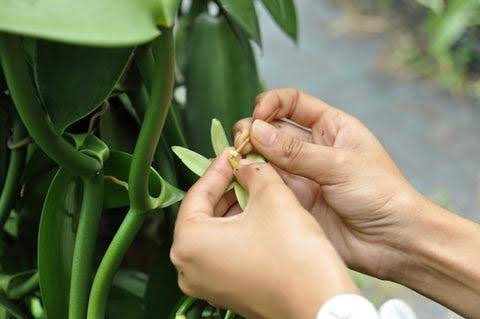
Vanilla production faced significant challenges when attempts were made to grow vanilla orchids outside their original Mesoamerican habitat. Vanilla flowers were naturally pollinated by specific insects found in Mexico, making cultivation in other regions difficult. Without the appropriate pollinator, vanilla orchids struggled to produce fruit, limiting the expansion of vanilla cultivation.
Hand-Pollination Revolution:
Vanilla cultivation underwent a major transformation in the 19th century on the island of Réunion, off the coast of Madagascar. Edmond Albius, an enslaved boy on the island, developed a practical method of artificial pollination. This breakthrough allowed vanilla to be produced on a large scale outside its native region, transforming it from a luxury product into a widely cultivated spice used in culinary creations around the world.
Madagascar’s Vanilla Dominance:
Madagascar has emerged as one of the world’s leading vanilla-producing countries. The island’s climate and soil provide favorable conditions for vanilla cultivation, placing Madagascar at the forefront of the international vanilla trade.
Culinary Renaissance:
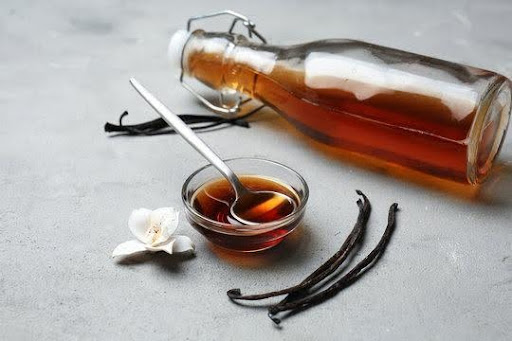
Vanilla’s journey from a traditional Mesoamerican ingredient to a globally recognized flavor is reflected in countless recipes. The spice has crossed cultural boundaries and become a popular component in a wide variety of dishes. Its versatile and appealing taste enhances sweet and savory creations, making it a favorite among professional chefs and home cooks alike.
Trade Dynamics and Economic Significance:
The worldwide demand for vanilla has made it an important economic commodity. The characteristics of vanilla are influenced by factors such as climate, soil conditions and farming methods in the regions where it is grown. The history of vanilla is closely linked to the cultures and agricultural practices of these regions, with each variety contributing to the diversity of the global vanilla market.
Different Varieties and Origins of Vanilla:
1. Vanilla Planifolia
Also known as Bourbon vanilla, Vanilla planifolia is the most common and commercially traded vanilla species worldwide. The name Bourbon comes from the former name of Réunion Island, Île Bourbon. Bourbon vanilla is primarily grown in Madagascar and other Indian Ocean regions, including the Comoros and Réunion. It is also cultivated in Uganda, Indonesia and Mexico, and has been introduced in India.
Planifolia, or Bourbon vanilla, has a classic, rich vanilla flavor with hints of spice and wood. Its characteristic aroma makes it a popular choice for baking, desserts and a variety of savory dishes.
2. Vanilla Tahitensis
Tahitian vanilla, scientifically known as Vanilla × tahitensis, is primarily grown in French Polynesia and Papua New Guinea, with Papua New Guinea contributing to the international trade of this variety.
It has a distinctive floral aroma with hints of anise, licorice and cherry. Its unique flavor profile makes it an ideal choice for tropical-inspired recipes, desserts and aromatic culinary creations.
3. Vanilla Pompona
This variety originates from Central America, the Caribbean and South America and is also known as West Indian vanilla. It has a sweet, fruity aroma with notes of licorice and tobacco. Its large, plump pods generally have lower vanillin content than conventional Bourbon vanilla and are also used in the perfume industry.
4. Mexican Vanilla
Mexican vanilla is traditionally associated with Vanilla planifolia, the same species used to produce Bourbon vanilla. However, its flavor profile can differ depending on cultivation and curing methods. The beans may be thicker and offer a mellow, smoky character with woody undertones.
These are some of the major vanilla varieties and origins found in the global market. Their characteristics can vary according to the species, growing region, harvesting methods and curing practices.
Sustainability Imperatives:
As the popularity of vanilla continues to grow, sustainability has become an essential concern. The industry faces challenges related to deforestation, biodiversity loss and the ecological impact of expanding vanilla plantations. Efforts to promote sustainable farming practices emphasize the need to balance economic prosperity with environmental responsibility and protect the future of vanilla cultivation.
For More Information About Vanilla, Visit Us Here:
Madagascar Vanilla Beans, Vanilla Madagascar, Wholesale Madagascar Vanilla Beans, Madagascar Vanilla Supplier