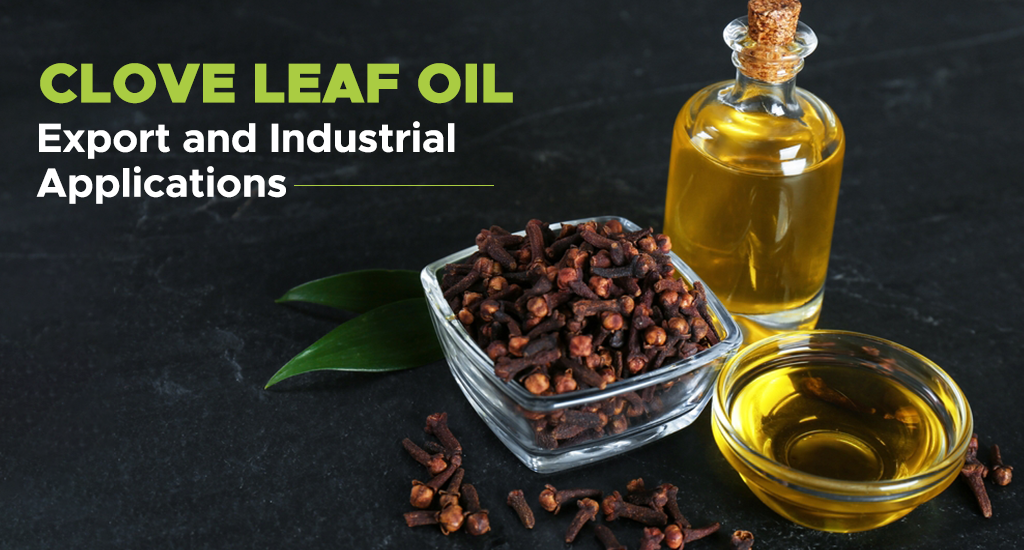
In the aromatic landscapes of Madagascar, a unique product takes center stage: clove leaf oil (CLO). Extracted from the dried leaves of the clove tree (Syzygium aromaticum), CLO is a remarkable essential oil with vast industrial and commercial applications. The oil extracted solely from clove leaves does not necessarily contain 80–82% eugenol (the global standard for CLO export). Clove oil may also be derived in smaller quantities from clove stems and buds, but the primary source remains the dried leaves. These extracts can be blended to standardize the oil’s eugenol concentration at 80–82%, forming the base for further refinement.
What makes the story interesting is the transformation: lower-grade oil containing about 80–82% eugenol can be further processed in factories in Europe and Asia to produce eugenol with a purity of up to 99%. It is an example of chemistry and agriculture working together. Even a 1% increase in purity can have significant commercial value.

Chemical Composition of Clove Leaf Oil
Clove leaf oil is primarily composed of:
- Eugenol (80–82%)
- β-Caryophyllene (15–20%)
- Eugenyl acetate (0.3–0.7%)
- α-Humulene (1.5–2%)
- Other minor components (1–2%)
Madagascar’s Clove Oil Industry: From Farm to Ultra-Pure Eugenol
Madagascar is one of the world’s major exporters of clove leaf oil. Local farmers and processors use steam distillation to produce oil that typically contains 80–82% eugenol. Extraction takes place in small distilleries across clove-growing regions. The oil is collected and supplied to local companies before being exported to international markets. Village collectors play an important role in Madagascar’s CLO supply chain. They may pre-finance distilleries by providing monetary advances or essential household goods, helping farmers and small-scale processors continue their work. In return, the distilled CLO is sold to these collectors, who supply regional buyers. Regional collectors aggregate oil from many village collectors, creating an efficient, decentralized supply chain. Madagascar exports approximately 1,800–2,000 tons of this oil each year. Buyers may purchase oil with 80–82% eugenol because it can be economical to transport and refine at their own facilities. At processing facilities, further refinement can increase the eugenol concentration to around 99%. This high-purity eugenol is used in pharmaceuticals, high-end perfumes, and other specialized products.

Industrial Applications of Clove Leaf Oil
1. Pharmaceutical & Medical Applications
1.1 Dental Care
Eugenol, a component of clove leaf oil, is used in some dental procedures because of its local soothing and antibacterial properties. It may be used in materials for temporary fillings and other dental applications. Eugenol’s analgesic properties have also contributed to the traditional use of clove-based preparations for temporary relief of tooth discomfort. Its antiseptic properties have led to its inclusion in some oral-care products, including mouthwashes and toothpastes. Use only products formulated for dental use and follow professional guidance.

1.2 Pain Relief Products
Clove leaf oil and eugenol are used in some topical preparations, such as ointments and balms, designed to provide a warming sensation and temporary comfort for sore muscles or stiff joints. Clove oil is also used in some aromatherapy products. It can irritate or damage skin if used undiluted, so it should only be used in products formulated for the intended application and according to label directions.
1.3 Infection Control
Laboratory research has investigated clove leaf oil for activity against certain bacteria and fungi. Because concentrated clove oil can irritate tissue and may be harmful if misused, it should not be applied to open wounds or used to treat infections unless directed by a qualified healthcare professional. Its antimicrobial properties are also of interest in the development of selected hygiene and disinfectant products.
2. Personal Care and Cosmetics
2.1 Aromatherapy Products
Clove oil is used in some aromatherapy products for its warm, spicy aroma. When included in properly formulated diffuser blends or massage products, its scent can contribute to a relaxing atmosphere in wellness and spa settings. Topical products should be appropriately diluted and used according to their instructions, as clove oil may cause skin irritation or sensitivity.

2.2 Perfumes and Deodorants
Clove oil’s strong, spicy aroma makes it a useful ingredient in some fragrance products, including perfumes, body sprays, and deodorants. Its warm, earthy scent can add depth to fragrance blends, particularly oriental and woody compositions. Clove oil may also be used in selected home-fragrance products.
2.3 Skin and Hair Products
Clove oil is explored for use in some skincare and hair-care formulations because of its antimicrobial properties. However, concentrated oil can irritate the skin and scalp, so it should not be applied directly or used as a home treatment for acne, dandruff, or other skin conditions. Commercial products should be appropriately formulated and tested for their intended use.
3. Food and Flavoring Industry
3.1 Seasonings and Spice Blends
Clove oil is used as a flavouring ingredient in selected seasonings, sauces, marinades, and condiments because of its distinctive, pungent flavour. Eugenol contributes clove’s characteristic aroma and can enhance savoury dishes, including curries, stews, and pickled foods. Only food-grade oil approved for the intended use should be used in food products, and it must be handled at suitable concentrations.
3.2 Food Preservation
Research has examined clove oil’s antimicrobial activity and its potential role in food-preservation applications. Its effectiveness depends on the food, concentration, and processing conditions. Any use as a preservative must comply with applicable food-safety regulations and should not replace validated preservation and hygiene practices.
4. Pesticide Industry
Clove leaf oil is of interest to the pesticide industry because eugenol may have insect-repellent and insecticidal activity under certain conditions. It is studied for potential use in managing pests affecting stored grains and crops. Its suitability and effectiveness depend on the target pest, application method, and formulation. Products intended for agricultural or household pest control should be registered and used according to the relevant label and local regulations.

Conclusion
Clove leaf oil demonstrates how a natural agricultural product can serve as a valuable raw material for modern industry. Oil produced in Madagascar may contain around 80–82% eugenol, while additional processing can produce high-purity eugenol for specialized applications. Eugenol and clove leaf oil are used in a range of sectors, including fragrance, personal care, selected dental products, and flavouring. As industries continue to investigate plant-derived ingredients, clove leaf oil remains an example of how agricultural resources and processing technology can work together to supply global markets.