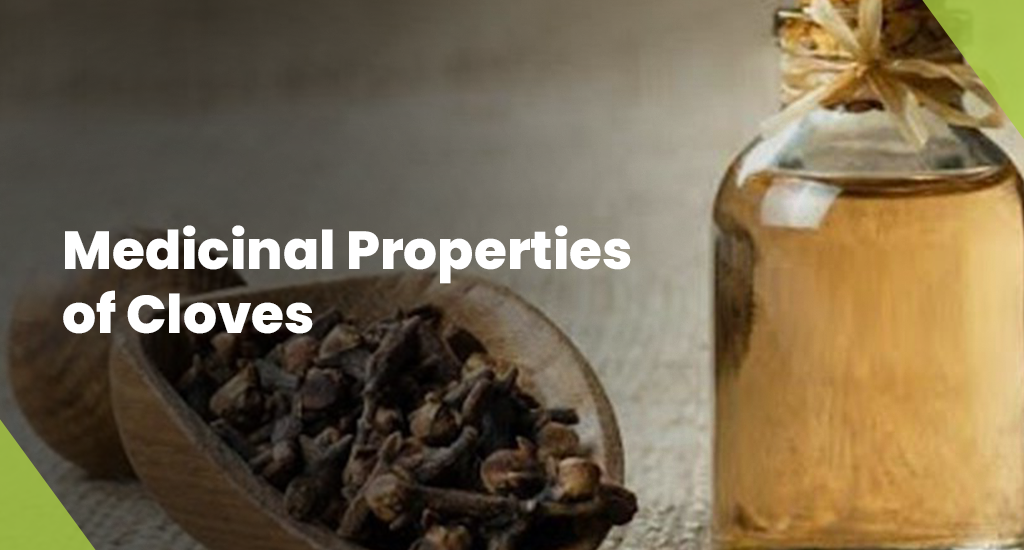
Introduction:
Cloves are the flower buds of a tropical evergreen tree known botanically as Syzygium aromaticum, which belongs to the Myrtaceae family. Cloves originated in Indonesia’s Maluku Islands, usually referred to as the Moluccas. These nail-shaped flower buds measure approximately 1.5 to 2 centimeters in size. Renowned for their combination of sweetness, warmth, and slight bitterness, cloves also possess a sweet-smelling fragrance. Cloves are initially pinkish when fresh and gradually darken to a shade of brown as they dry out. Cloves hold an important place in culinary traditions and continue to be valued for their robust flavor and enticing aroma. They are commonly used as a spice and as an ingredient in products such as toothpaste, soaps, and cosmetics. Whether incorporated into spice blends, used in cooking, or included in traditional preparations, cloves bring a distinctive touch to various dishes and products.
Historical Significance:

Cloves Madagascar have a history spanning centuries and have greatly influenced trade, exploration, and cultural traditions. Originating from the Spice Islands, the Moluccas, in Indonesia, cloves became a coveted commodity during the age of exploration. Arab traders introduced cloves to the Middle East, helping establish a spice trade that played a significant role in exploration and colonization. The Portuguese were among the first Europeans to gain control over the clove trade, followed by the Dutch, who established a monopoly and dominated the spice industry. Competition for control over clove-producing regions resulted in conflicts as various powers sought to secure their share of this valuable commodity.
During the colonial period, geopolitical struggles revolved around the Spice Islands and their cloves. European powers recognized the economic and strategic significance of these islands, leading to competition and conflicts. The Portuguese, Dutch, British, and others competed for control over clove production, contributing to the broader history of colonial expansion and the establishment of trade routes connecting East and West.
Cloves have held importance throughout history, not only economically but also in culinary and traditional medicinal practices. In ancient times, cloves were highly valued for their distinctive flavor and perceived healing properties. They were widely used in traditional remedies and became associated with health and wellness. Moreover, cloves have left their mark on food traditions, from preserving meats in medieval Europe to adding flavor to dishes across Asia. The historical significance of cloves lies in their role in exploration and trade, shaping culinary practices and facilitating the exchange of goods and ideas across the world.

The history of cloves reaching Madagascar is closely connected to the spice trade. During the 18th century, the French introduced clove cultivation to Madagascar, taking advantage of the island’s favorable climate. The spice thrived in Madagascar’s fertile soil and gradually became deeply rooted in the island’s agricultural economy, culture, and traditional practices.
Medicinal Properties:
Cloves contain a variety of naturally occurring compounds that have attracted interest for their potential health benefits. Eugenol, one of the primary compounds found in cloves, is particularly well known for its antioxidant and anti-inflammatory properties. Some notable potential benefits and traditional uses of cloves are described below.
1. Rich in Antioxidants:
Cloves Madagascar contain antioxidants, including eugenol, that may help counteract free radicals within the body. Antioxidants help protect cells from oxidative stress and may contribute to overall health.
2. Highly Nutritious:
Cloves contain several nutrients and beneficial compounds, including manganese, which supports normal enzyme function and bone formation. They also contain vitamin K, beta-carotene, and other naturally occurring compounds. However, cloves are generally consumed in small quantities, so their contribution to daily nutrient requirements may be limited.
3. Improves Bone Health:
Cloves contain manganese, a mineral that contributes to normal bone formation and mineralization. Some animal studies suggest that clove extracts rich in eugenol may improve certain markers of bone health. However, further human research is needed to establish these effects in people.
4. Dental Aid:
Eugenol, an active ingredient in clove oil, has anesthetic properties and has traditionally been used to provide temporary relief from toothache. It may help numb the affected area and ease discomfort. However, clove oil can irritate or damage oral tissues if used improperly and does not replace professional dental treatment.
5. Anti-inflammatory and Antibacterial Properties:
Clove extracts and essential oil contain eugenol, a compound studied for its potential antibacterial, antioxidant, and anti-inflammatory properties. Cloves have also been used traditionally to support digestive comfort. However, evidence for treating specific digestive conditions, such as diarrhea, nausea, and gastrointestinal spasms, remains limited.

6. May Help Protect Against Stomach Ulcers:
Stomach ulcers can develop when the protective lining of the stomach is damaged. Some preliminary research suggests that compounds in cloves may influence mucus production and help protect the stomach lining. However, more research is needed to determine whether cloves can prevent or treat stomach ulcers in humans. Medical treatment is essential for diagnosed ulcers.
7. May Help Regulate Blood Sugar:
Some preliminary studies suggest that compounds found in cloves may influence glucose metabolism and insulin activity. However, there is not enough clinical evidence to recommend cloves as a treatment for diabetes or as a replacement for prescribed medication. People with diabetes should monitor their blood sugar and consult a healthcare professional before using concentrated clove supplements.
8. Respiratory Health:
Cloves have traditionally been used in preparations intended to soothe coughs and provide comfort during colds. Eugenol has been studied for various biological properties, but there is insufficient clinical evidence that clove oil can treat bronchitis, pneumonia, asthma, or sinus infections. Clove oil should not be inhaled directly or used in a nebulizer, as it may irritate the respiratory tract.