1. Introduction: Why Choosing the Right Essential Oil Matters for Home Fragrance
In today’s modern lifestyle, people are becoming more conscious about the products they use in their homes. From food choices to cleaning solutions, the shift toward natural and sustainable living has also influenced how we approach home fragrance. Essential oils have emerged as a reliable alternative to synthetic air fresheners, offering not just pleasant aromas but also added benefits for mental clarity, relaxation, and overall well-being.
Unlike conventional room fresheners that rely on artificial chemicals, essential oils are derived from plant sources and contain natural aromatic compounds. These compounds interact with our senses in a more holistic way, making them more than just a fragrance—they contribute to creating a healthier indoor environment.
Diffusers vs Aerosols vs Room Fresheners: What Changes?
Understanding the difference between fragrance methods helps in making a better choice:
Aerosol sprays
They provide an instant burst of scent but fade quickly and may contain synthetic ingredients not ideal for regular use.
Traditional room fresheners
These are designed to mask odors temporarily rather than eliminate them, offering limited depth and no real functional benefits.
Essential oil diffusers
Diffusers release fragrance gradually, ensuring long-lasting aroma while preserving the natural properties of oils, helping create a calm, fresh, and functional living space.
2. Understanding How Essential Oils Work in Diffusers & Air Systems
To make the most of essential oils, it is important to understand the science behind how they function.
The Science of Volatility, Aroma Strength, and Diffusion
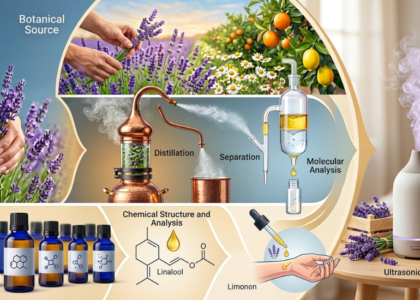
Essential oils are composed of volatile organic compounds, which means they evaporate when exposed to air. This evaporation is what allows the scent to travel and fill a room.
Oils with high volatility evaporate quickly and provide an immediate burst of fragrance.
Oils with low volatility evaporate slowly and last longer in the air.
This balance between fast and slow evaporation determines how a fragrance evolves over time.
Why Some Oils Perform Better Than Others
Not all essential oils behave the same way in diffusers. Their performance depends on several factors:
Molecular structure and weight
Natural chemical composition
Purity and quality of the oil
Environmental conditions like temperature and airflow
For example, citrus oils tend to disperse quickly but may not last long, while woody oils like vetiver provide a long-lasting base aroma.
The Role of Top, Middle, and Base Notes
Essential oils are often categorized into three layers, similar to perfumes:
Top Notes
These are the first scents you notice. They are light, fresh, and evaporate quickly.Middle Notes
These form the heart of the fragrance and provide balance and harmony.Base Notes
These are deep, rich scents that last the longest and anchor the blend.
A well-crafted fragrance combines all three layers to create a complete and evolving scent experience.
3. Key Factors to Consider When Choosing Essential Oils
Selecting the right essential oil involves more than just choosing a pleasant scent. It requires understanding how different oils perform and what benefits they offer.
Aroma Strength and Scent Throw
The strength of an essential oil determines how effectively it can fill a space.
Strong oils like peppermint and lemongrass are ideal for large rooms
Mild oils like lavender are better suited for smaller, intimate spaces
Choosing the right intensity ensures that the fragrance is noticeable without being overwhelming.
Therapeutic Benefits and Emotional Impact
Essential oils are widely used in aromatherapy because of their ability to influence mood and emotions. Depending on the oil, you can experience:
Reduced stress and anxiety
Improved focus and mental clarity
Enhanced relaxation and better sleep
Uplifted mood and positivity
Purpose-Based Selection
It is important to align your oil choice with your specific goal:
Relaxation: Lavender, Ylang Ylang
Energy and focus: Peppermint, Lemon
Freshness: Lemongrass, Orange
Compatibility with Diffusers and Aerosol Systems
Some oils are thicker and may not perform well in all devices. Always consider:
The type of diffuser you are using
Oil viscosity
Manufacturer recommendations
4. Best Essential Oils for Home Fragrance (Detailed Breakdown)
Selecting the right essential oils for home fragrance requires understanding how each oil performs in terms of aroma, longevity, and emotional impact. Essential oils are broadly categorized into top, middle, and base notes, and each layer plays a unique role in creating a complete scent experience. A well-balanced fragrance is never built on a single oil—it’s a thoughtful blend where top notes create the first impression, middle notes form the body, and base notes provide depth and lasting power.
4.1 Top Notes – Fresh & Uplifting Oils
Top notes are light, refreshing, and highly volatile, meaning they evaporate quickly but deliver an immediate sensory impact.
Lemongrass Essential Oil (Hero Oil) stands out for its strong, citrusy-herbal aroma and excellent odor-neutralizing properties. It is ideal for maintaining freshness in high-traffic areas like living rooms, bathrooms, and workspaces.
Other effective top notes include:
Sweet Orange: Bright and cheerful, great for uplifting mood and creating a welcoming atmosphere.
Lemon: Crisp and clean, ideal for kitchens and workspaces, with natural antibacterial benefits.
Peppermint: Cool and invigorating, enhances focus and energy with minimal usage.
These oils are perfect for instant freshness and energy, setting the tone of the space.
4.2 Middle Notes – Balanced & Harmonizing Oils
Middle notes emerge after top notes fade and form the core of the fragrance. They offer balance, warmth, and emotional depth.
Lavender: Known for its calming properties, ideal for relaxation and sleep support.
Geranium: Floral and soothing, helps reduce stress and create emotional balance.
Palmarosa: Soft and slightly sweet, perfect for a gentle, comforting environment.
Ylang Ylang: Rich and exotic, adds a luxurious touch to blends.
These oils are essential for creating a stable and harmonious fragrance profile.
4.3 Base Notes – Deep & Long-Lasting Oils
Base notes are heavy, slow-evaporating oils that anchor the fragrance and extend its longevity. They also act as fixatives, helping other notes last longer.
Patchouli: Earthy and musky, it provides warmth and long-lasting depth.
Vetiver: Woody and smoky, known for its grounding and calming effects.
Base notes are key to building long-lasting, premium fragrance blends that linger in the space.
In essence, combining these three layers ensures a balanced, effective, and long-lasting home fragrance that enhances both atmosphere and well-being.
Build Long-Lasting Signature Scents — Shop Base Note Oils Now
5. Choosing the Right Oil Based on Your Goal
Choosing the right essential oil becomes easier when you first define your purpose. Each oil offers unique benefits, so selecting based on your goal helps create a more functional and effective home environment.
For Relaxation and Stress Relief
To create a calm and peaceful atmosphere, use oils with soothing and grounding properties. These help reduce stress and promote emotional balance.
Recommended oils:
Lavender – calming and widely used for relaxation
Ylang Ylang – supports emotional stability
Vetiver – deeply grounding and relaxing
These oils are ideal for evenings and spaces like bedrooms or lounges where comfort is a priority.
For Sleep and Nighttime Use
For better sleep, choose oils that are gentle and long-lasting. They help signal the body to relax and prepare for rest.
Recommended oils:
Lavender – improves sleep quality
Patchouli – provides a deep, calming effect
Use these oils before bedtime to create a consistent sleep-friendly environment.
For Mood Enhancement and Positivity
If your goal is to uplift mood and energy, citrus and floral oils work best. They create a fresh, positive atmosphere.
Recommended oils:
Sweet Orange – bright and energizing
Geranium – promotes emotional balance
These are perfect for daytime use and shared spaces like living rooms or work areas.
For Freshness and Odor Control
To maintain a clean and fresh-smelling home, use oils with strong deodorizing properties.
Recommended oils:
Lemon – crisp and refreshing
Lemongrass – powerful odor neutralizer
These oils are especially effective in kitchens, bathrooms, and entryways.
By selecting oils based on your specific needs, you can create a balanced and enjoyable home fragrance experience.
6. Comparison Guide: Which Essential Oil is Best for You?
Oil | Aroma Strength | Longevity | Best Use Case | Cost Effectiveness |
Lemon | High | Short | Freshness | High |
Lavender | Medium | Medium | Relaxation | Medium |
Patchouli | Strong | Long | Base blends | Medium |
Vetiver | Strong | Very Long | Premium fragrance | Low |
Peppermint | Strong | Medium | Energy & focus | High |
Quick Selection Tip
Beginners should start with Lavender, Lemon, and Orange for versatility.
7. Effective Essential Oil Blends for Home Fragrance
Creating essential oil blends is where functionality meets creativity. While individual oils offer distinct benefits, blending allows you to build depth, improve longevity, and customize scents based on mood or environment. A well-crafted blend combines top, middle, and base notes, ensuring the fragrance evolves gradually instead of fading quickly.
Successful blending requires balancing both aroma harmony and purpose. Some oils naturally complement each other, enhancing the overall scent, while others create contrast that adds complexity and uniqueness.
Relaxation Blend (Calming & Soothing)
This blend is ideal for reducing stress and creating a peaceful atmosphere, especially during evenings.
- Lavender – Soft, calming floral note
- Geranium – Balancing with a slightly sweet tone
- Vetiver – Deep, grounding base
This combination works by layering gentle floral notes with a stabilizing base, helping to calm the mind and promote emotional balance. It’s perfect for unwinding after a long day.
Sleep Blend (Deep Rest & Tranquility)
A sleep-focused blend should slow mental activity and prepare the body for rest.
- Lavender – Primary oil for relaxation
- Patchouli – Adds warmth and longevity
- Ylang Ylang – Eases tension and enhances calmness
This blend creates a comforting and slightly rich aroma that signals the body to relax. It is especially effective when used in diffusers before bedtime.
Energizing Blend (Focus & Productivity)
Daytime blends should refresh the senses without becoming overwhelming.
- Lemon – Bright and uplifting
- Peppermint – Cooling and mentally stimulating
- Lemongrass – Strong, fresh, and cleansing
This blend is highly effective in workspaces. It helps improve concentration, reduce fatigue, and maintain alertness, making it ideal for productivity-focused environments.
Luxury Home Fragrance Blend (Premium Feel)
Luxury blends are designed to create a sophisticated and long-lasting scent profile.
- Ylang Ylang – Exotic floral richness
- Patchouli – Earthy depth
- Vetiver – Smoky, premium base
This combination delivers a refined and elegant aroma, often associated with high-end interiors. It enhances ambiance and gives your space a more polished, inviting feel.
8. Best Ratios & Formulation Tips for Diffusers and Sprays
Creating a balanced fragrance is not just about choosing the right oils—it also depends on using the correct proportions. Even premium oils can produce an uneven scent if mixed improperly.
Ideal Top–Middle–Base Ratio (30:50:20 Rule)
A widely accepted guideline for blending is:
- 30% Top Notes – Provide the initial impression
- 50% Middle Notes – Form the heart of the blend
- 20% Base Notes – Add depth and longevity
This ratio ensures a smooth transition from the first scent to the lasting base, preventing the fragrance from feeling too sharp or too flat.
Adjusting Blends for Different Applications
For Diffusers:
- Use lighter oils for better dispersion
- Avoid excessive use of thick base oils
- Keep blends simple for consistent performance
For Room Sprays:
- Dilute oils with distilled water or alcohol
- Shake well before each use
- Increase top notes slightly for instant impact
Common Formulation Mistakes to Avoid
- Overusing base notes, making the scent too heavy
- Ignoring balance between fragrance layers
- Mixing too many oils at once
- Skipping small-batch testing
By following proper ratios and testing blends beforehand, you can achieve more consistent and high-quality results.
9. Practical Tips for Safe and Effective Diffusion
Although essential oils are natural, they are highly concentrated and should be used carefully.
Proper Dosage and Dilution
The number of drops depends on room size:
- Small rooms: 3–5 drops
- Medium rooms: 5–8 drops
- Large rooms: 8–10 drops
Using more oil does not improve performance—it can make the scent overpowering and wasteful.
Preventing Diffuser Clogging
To maintain your diffuser’s efficiency:
- Clean it regularly (at least once a week)
- Avoid overusing heavy oils like patchouli or vetiver
- Use clean or distilled water where required
Storage and Shelf-Life
Proper storage helps maintain oil quality:
- Use dark glass bottles
- Store in a cool, dry place
- Keep bottles tightly sealed
Safety Precautions
- Keep oils out of reach of children
- Use caution around pets
- Avoid direct skin application without dilution
- Ensure proper ventilation during use
Following these guidelines ensures a safe and enjoyable experience.
10. Expert Recommendations: Building the Perfect Home Fragrance Line
Creating a well-rounded home fragrance setup requires thoughtful selection rather than random purchases.
Starter Oils Every Home Should Have
A balanced beginner collection includes:
- Lavender – Relaxation and sleep
- Lemon – Freshness and energy
- Sweet Orange – Mood enhancement
- Peppermint – Focus and clarity
- Patchouli – Depth and longevity
These oils provide flexibility to create multiple blends for different needs.
Budget vs Premium Strategy
A smart approach is to balance cost and performance:
- Budget-friendly: Citrus oils like lemon and orange
- Mid-range: Lavender, geranium, peppermint
- Premium: Vetiver, ylang ylang
Combining affordable top notes with premium base notes helps achieve both cost efficiency and long-lasting fragrance.
Creating Signature Blends
Developing a signature scent adds a unique identity to your space. To do this:
- Experiment with different combinations
- Record ratios and results
- Adjust blends based on preference
Over time, you can create a distinctive fragrance that reflects your personal style while maintaining consistency in quality and performance.
11. Conclusion: Making the Right Choice for Your Space and Lifestyle
Choosing the right essential oils is not just about fragrance—it is about creating an environment that supports your lifestyle, mood, and well-being. By understanding how oils work, how to blend them effectively, and how to use them safely, you can elevate your home into a space that feels both comfortable and purposeful.
Essential oils offer a unique combination of science and sensory experience, allowing you to customize your surroundings in a natural and meaningful way. Whether your goal is relaxation, energy, or luxury, the right selection and blending approach can make a significant difference.
With a thoughtful strategy and high-quality oils from Robust Madagascar, you can confidently build a home fragrance system that is not only pleasant but also functional, long-lasting, and deeply enriching.
12. FAQs (Frequently Asked Questions)
Which essential oil lasts the longest in a diffuser?
Essential oils with heavier molecules, such as Vetiver and Patchouli, last the longest in a diffuser because they evaporate slowly, providing deep, rich aroma and extended fragrance performance over time.
What oils are best for improving sleep?
Essential oils like Vetiver, Ylang Ylang, and Vanilla are best for improving sleep, as they help calm the mind, reduce stress levels, and create a relaxing environment that supports deeper rest.
Can I mix multiple essential oils in one diffuser?
Yes, you can mix multiple essential oils in one diffuser to create customized blends, enhance fragrance complexity, and combine therapeutic benefits, ensuring a balanced aroma using proper top, middle, and base notes.
Why does my diffuser get clogged?
A diffuser can get clogged due to thick essential oils like Patchouli or improper cleaning, causing residue buildup that blocks airflow and affects performance, making regular maintenance and proper dilution necessary.
Are essential oils safe for daily use?
Essential oils are generally safe for daily use when used in proper dilution and moderation, but overuse or improper handling may cause sensitivity, so following recommended guidelines ensures safe and effective usage.