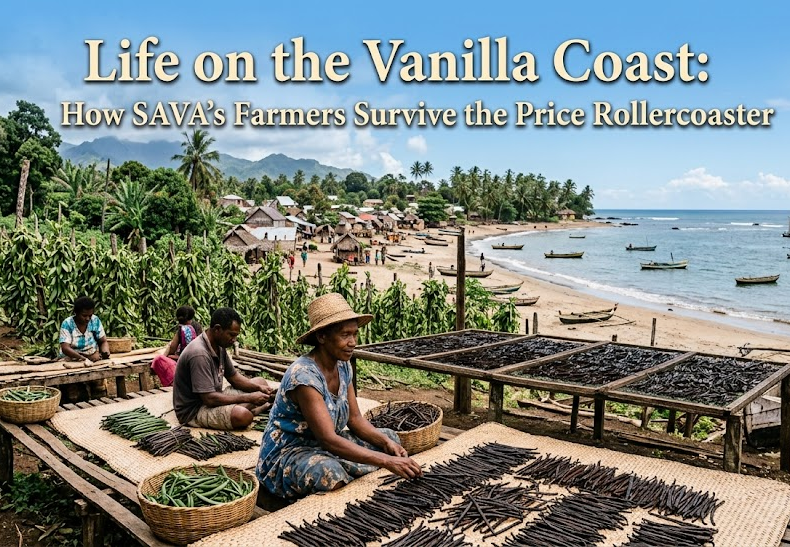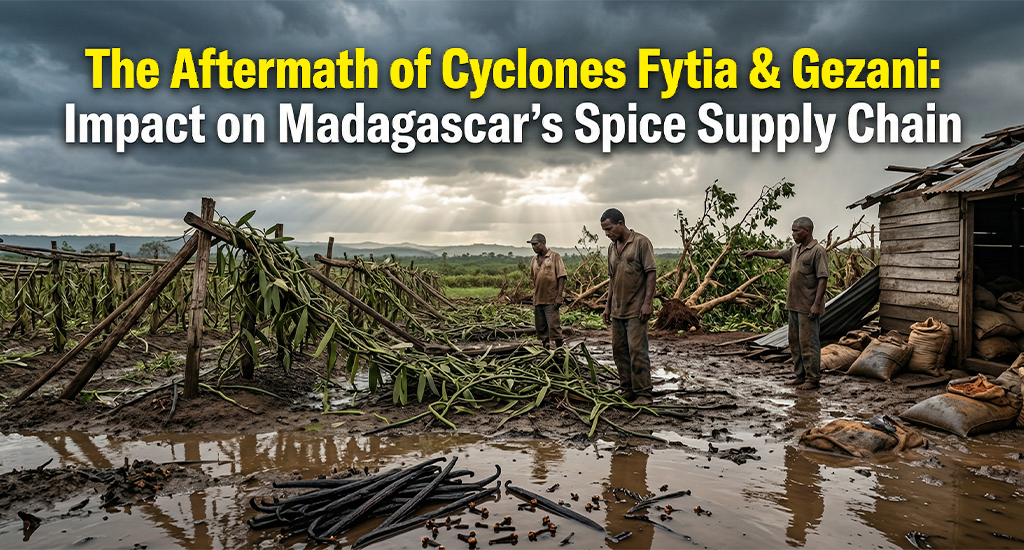
At Robust, our primary mission is the discovery, processing, packaging, and export of premium agricultural products. Madagascar is the beating heart of our operations, supplying us with unparalleled Vanilla Beans, extracts, and a wide array of spices and essential oils. Recently, the landscapes yielding these exceptional products have been severely tested by the unprecedented force of Cyclones Fytia and Gezani. As we navigate this challenging period, we want to provide an honest, on-the-ground assessment of the devastation and its direct impact on the new crops of Cloves, Pepper, Vanilla, and Cinnamon.
The Devastation: Rongaronga River Valley The back-to-back hits from these cyclones in early 2026 have left an indelible mark on Madagascar’s eastern coast. Our immediate concern has centered on the agricultural zones surrounding Toamasina and Brickaville, particularly the Rongaronga River Valley.
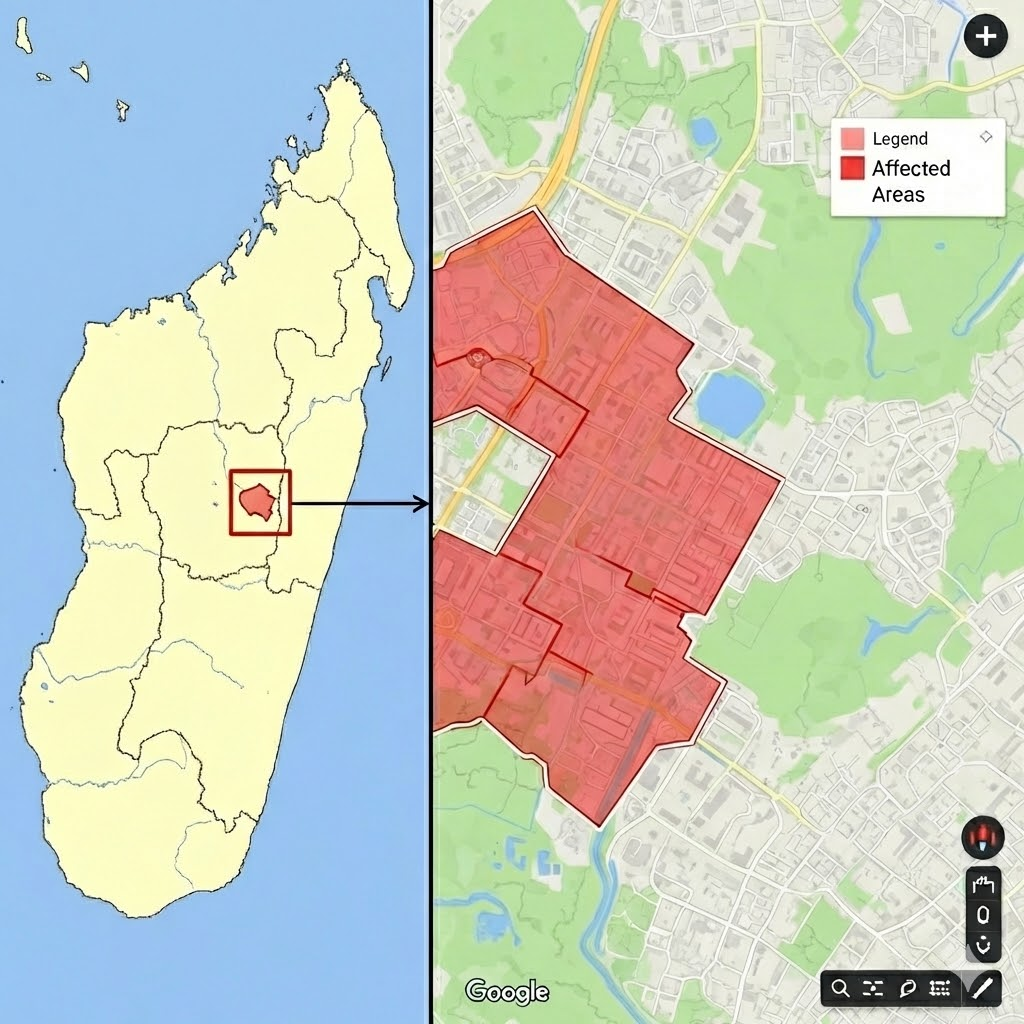
According to satellite imagery published by the NASA Earth Observatory and analyzed by the French Agricultural Research Centre for International Development (CIRAD), the floodwaters have vastly expanded beyond natural riverbanks. The imagery confirms that the Rongaronga and Rianila rivers experienced severe overflow, completely submerging adjacent farmlands just weeks before crucial harvest periods. Furthermore, Madagascar’s National Office for Risk and Disaster Management (BNGRC) has corroborated these findings with ground-level damage assessments, confirming the infrastructure damage and crop inundation are among the worst we have seen in recent years.
Impact on Our Core Crops: The flooding in these specific cultivation zones directly threatens the upcoming yields of the products we process and export.
- Vanilla Beans: The Rongaronga valley is a vital artery for Madagascar’s vanilla production. The floodwaters hit at a critical time when vines are highly susceptible to root rot caused by prolonged moisture. According to CIRAD assessments, we anticipate a noticeable reduction in premium-grade beans from this region for the 2026 season, inevitably creating price volatility.
- Cloves: As a dominant player in the clove market, Madagascar relies heavily on the trees in the Analanjirofo and Atsinanana regions. While mature trees are generally resilient to winds, BNGRC reports that the sheer volume of water has led to landslides, uprooting numerous plantations. Additionally, the destruction of local warehousing means harvested stock faces degradation risks before it can be exported.
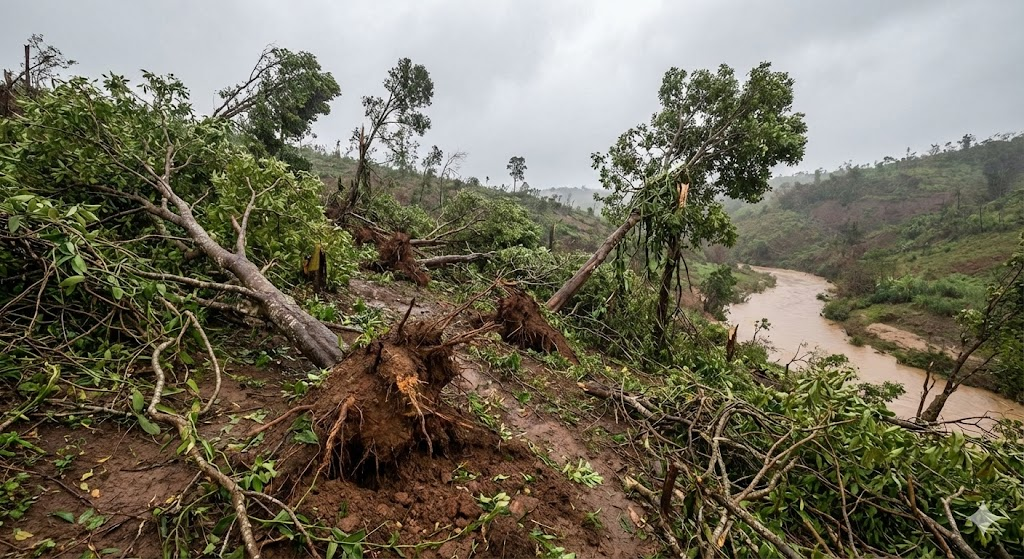
- Black and Pink Pepper: Pepper vines require well-drained soils to thrive. The extended submersion highlighted in the NASA imagery indicates a severe threat to the root systems of Black Pepper and Pink Pepper (bai rose. We are preparing for a significantly tightened supply, which will push global market prices higher.
- Cinnamon: Cinnamon harvesting requires specific bark-peeling techniques dependent on favorable weather. The persistent rain and flooded access roads have halted processing operations across the central highlands. We expect delays in the availability of the new cinnamon crop, coupled with a premium on high-quality, properly dried quills.
Navigating the Future At Robust, we are actively managing this crisis to ensure our clients receive the best outcomes. Our strategy involves leveraging our existing, safely stored inventory to buffer against immediate supply shocks. We are also closely assessing the impact on the raw materials needed for our essential oil processing, such as Clove Leaf Oil, Ylang Ylang, and Patchouli, as their harvests are highly sensitive to extreme weather. By holding strategic stock in our facilities, we are positioned to offer stability to our buyers.
We will continue to monitor the situation closely, relying on verified data and our deep-rooted local networks to keep the global supply chain moving.