- October 17, 2025
- 0 comments
- 145 Views
Vanilla extract is a cornerstone ingredient in the global food and beverage industry. Its complex aroma and rich flavor make it indispensable for products ranging from desserts to beverages and fragrances. For industries and suppliers, understanding the journey of vanilla extract—from farm cultivation to final packaging—is crucial for ensuring premium quality, flavor consistency, and reliable supply.
1. Sourcing the Finest Vanilla Beans
The quality of vanilla extract depends heavily on the beans used. The cultivation process, region, and variety all play significant roles in determining the flavor profile and aroma of the final extract.
- Primary Growing Region: Madagascar is globally recognized as the leading producer of Madagascar vanilla beans, known for their rich, creamy flavor and strong aromatic profile. These beans are the foundation of what becomes the best vanilla extract in the market.
- Bean Variety: The Madagascar vanilla beans used in extraction are of the Bourbon variety, which is celebrated for its high vanillin content, smooth sweetness, and exceptional flavor depth.
- Cultivation Practices: Vanilla cultivation requires precise care and attention. Each vanilla flower must be hand-pollinated—a process that demands both skill and patience. The vines take nearly three years to mature before producing beans.
- Sustainability and Ethics: Many farms in Madagascar follow eco-friendly and sustainable farming practices such as shade-grown cultivation and organic fertilization. These practices help protect biodiversity and ensure long-term production without harming the environment.
- Quality Assessment at Farm Level: Farmers grade beans based on size, length, and texture. Only high-quality beans proceed to the curing process, as this stage directly impacts the richness and aroma of the final extract.
2. Curing and Drying: Unlocking Full Flavor
Raw vanilla beans are not aromatic when harvested. They undergo a precise curing and drying process to develop the deep, complex flavors that make vanilla extract so special.
- Blanching and Sweating: Fresh beans are briefly immersed in hot water and then wrapped to sweat. This process activates enzymes that convert glucovanillin into vanillin—the primary compound responsible for vanilla’s distinctive flavor.
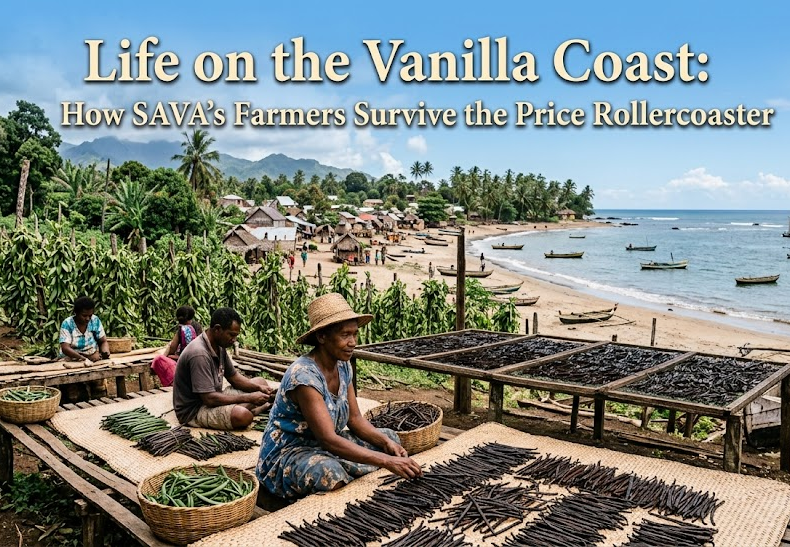
- Sun-Drying and Conditioning: Beans are dried under natural sunlight for several weeks, gradually reducing their moisture content while concentrating essential oils and aroma compounds. Proper drying prevents mold and enhances the natural flavor complexity.
- Fermentation and Flavor Development: During curing, natural fermentation occurs, deepening the beans’ dark brown color and producing the sweet, creamy, and slightly smoky aroma unique to Madagascar vanilla beans.
- Quality Checks: Beans are continually inspected for color, flexibility, and moisture uniformity. Only beans that meet the strictest quality standards move on to extraction.
3. Extraction: Turning Beans into Liquid Vanilla
Extraction is the process that transforms cured beans into vanilla extract, retaining the full aroma and flavor that Madagascar vanilla is famous for.
- Ethanol-Based Extraction: The most common and reliable method involves soaking cured vanilla beans in a mixture of ethanol and water. This process gently draws out vanillin and other aromatic compounds without compromising purity or flavor.
- Standardization and Consistency: Each batch is carefully tested to ensure uniform vanillin concentration and aroma intensity, maintaining consistency across production.
- Quality Control Measures: Robust Madagascar employs strict quality control standards during extraction, ensuring every batch of vanilla extract meets the highest expectations of purity, safety, and natural aroma retention.
4. Packaging and Preservation
Proper packaging is essential to maintain the freshness and quality of vanilla extract from production to delivery.
- Robust Madagascar’s Standard Packaging:
- 20 kg plastic drums
- 1 kg × 20 plastic bottles packed in a 20 kg carton
- Storage Conditions: Vanilla extract is stored in cool, dark environments to protect it from light and heat. These conditions preserve the aromatic compounds and extend the shelf life of the extract.
By maintaining strict packaging and storage protocols, Robust Madagascar ensures the natural flavor and freshness of its vanilla extract remain intact until it reaches the end user.
5. Supply Chain and Global Trade
The vanilla extract supply chain is complex, involving multiple stages of transportation, processing, and distribution. Efficient coordination ensures that the product reaches global markets while maintaining its exceptional quality.
- Logistics Planning: Timely and temperature-controlled transportation from farms to processing units ensures beans retain their freshness and aromatic compounds.
- Inventory Management: Seasonal fluctuations in vanilla production require effective planning to balance supply and demand, ensuring continuous availability.
- Supplier and Exporter Relationships: As a trusted vanilla extract exporter, Robust Madagascar maintains long-term partnerships with clients worldwide, guaranteeing steady supply, reliability, and consistent quality.
- Market Insights: Madagascar continues to dominate the global vanilla market, with increasing demand for natural, sustainably sourced vanilla extract across the food, beverage, and cosmetics industries.
6. Selecting the Right Vanilla Extract
Choosing the right vanilla extract is crucial for achieving the perfect flavor in any product. There are two main types of extracts available in the market:
- Natural Vanilla Extract: Made from real Madagascar vanilla beans using ethanol-based extraction. It offers rich, creamy, and authentic flavor that enhances the quality of every product. Robust Madagascar produces and deals exclusively in Natural Vanilla Extract, ensuring the best quality and authenticity for all its clients.
- Artificial Vanilla Extract: This variant is chemically synthesized and lacks the depth and complexity of natural vanilla. While it may be economical, it cannot replicate the aroma and taste that genuine Madagascar vanilla provides.
7. Innovations and Trends in Vanilla Extract Production
The global vanilla market is evolving rapidly, with new techniques and sustainable practices enhancing both quality and traceability.
- Organic and Sustainable Extracts: Growing demand for organic products has encouraged farms to adopt eco-friendly cultivation methods without chemical fertilizers.
- Single-Origin Extracts: Extracts made exclusively from Madagascar vanilla beans are gaining popularity for their superior flavor profile and consistent quality.
- Advanced Extraction Technology: New ethanol-based extraction technologies help preserve delicate flavor notes while improving yield and efficiency.
- Global Market Growth: As natural ingredients become more desirable, demand for authentic Madagascar vanilla extract continues to rise worldwide.
Conclusion
The journey of vanilla extract from farms to factories is a meticulous process that begins with the careful cultivation of Madagascar vanilla beans and ends with the precise extraction and packaging methods that define quality. Each step—from curing to ethanol-based extraction and professional packaging—ensures the preservation of natural aroma and flavor.
Robust Madagascar, as a leading vanilla extract supplier and exporter, is dedicated to delivering only Natural Vanilla Extract of the highest quality and authenticity. With strong sourcing ethics, advanced extraction standards, and global distribution capabilities, Robust Madagascar continues to set the benchmark for excellence in the world of vanilla.